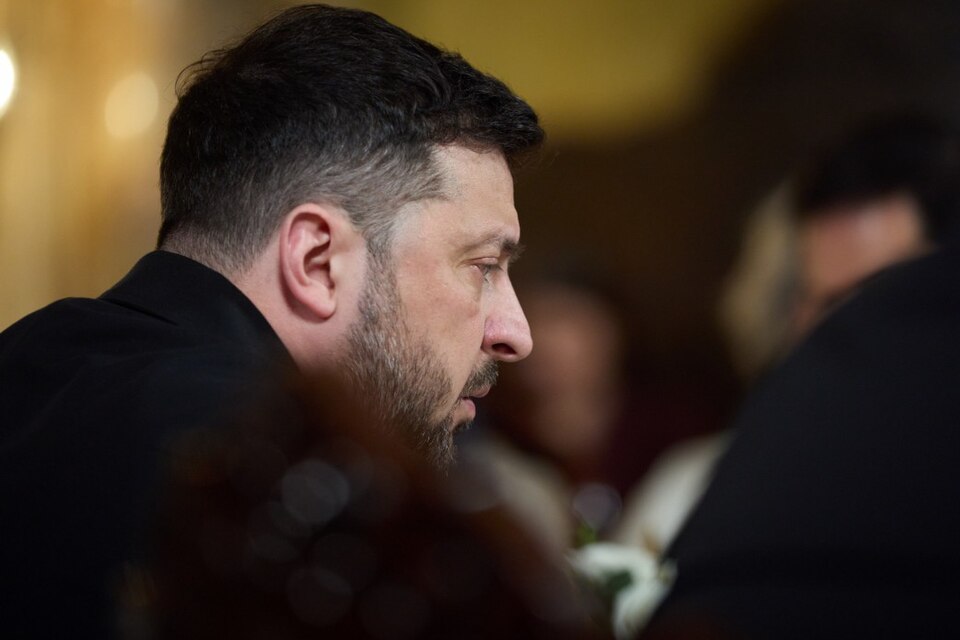
In a significant diplomatic engagement in London, Ukrainian President Volodymyr Zelenskyy held talks with key European leaders, including British Prime Minister Keir Starmer, French President Emmanuel Macron, and German Chancellor Friedrich Merz. The meeting focused on enhancing military support for Ukraine as Russian attacks intensify. A primary concern for the leaders was the bolstering of Ukraine’s air defense systems, alongside increasing production of interceptor missiles and developing capabilities for anti-ballistic missile and long-range strikes. This urgency follows recent Russian missile assaults that have included the deployment of hypersonic weapons.
Adding to the gravity of the situation, a Russian drone strike recently targeted a spent nuclear fuel storage facility near the Chornobyl Nuclear Power Plant. Ukrainian authorities have assured that radiation levels remain stable, and the fire resulting from the strike was swiftly controlled. In response to these aggressive actions, the four leaders collectively condemned Russia’s missile and drone offensives. They reiterated appeals for Russian President Vladimir Putin to agree to a ceasefire, viewing it as a fundamental step towards peace negotiations.
The discussions in London also touched on the strategic coordination of additional support for Ukraine in anticipation of significant international gatherings, such as the upcoming G7 and NATO summits. These forums are expected to further deliberate on military aid and potential sanctions against Russia. Ukrainian President Zelenskyy reaffirmed the resolve of his nation to continue its defense efforts while deepening cooperation with European allies in terms of air defense and security. He emphasized the crucial nature of sustained support from Ukraine’s partners as the conflict persists.
On the operational front, Ukraine has reported conducting additional long-range drone strikes aimed at Russian military and energy infrastructure. These strikes, targeting areas near Saint Petersburg and in Russian-controlled Crimea, are part of Ukraine’s strategy to disrupt Russian military logistics and fuel supplies. The actions underscore Ukraine’s proactive stance in the face of aggression.
The London meeting underscored the increasing alignment among Ukraine’s principal European allies. As they strive to reinforce Kyiv’s defensive capabilities and maintain diplomatic and economic pressure on Russia, their united front remains pivotal in navigating the complexities of the ongoing hostilities.