The thyroid gland is crucial for regulating metabolism, energy levels, and hormonal balance within the body. Disorders such as hypothyroidism and hyperthyroidism are increasingly prevalent, particularly among women. Health professionals emphasize that a nutritious diet can significantly support thyroid function and overall hormonal health.
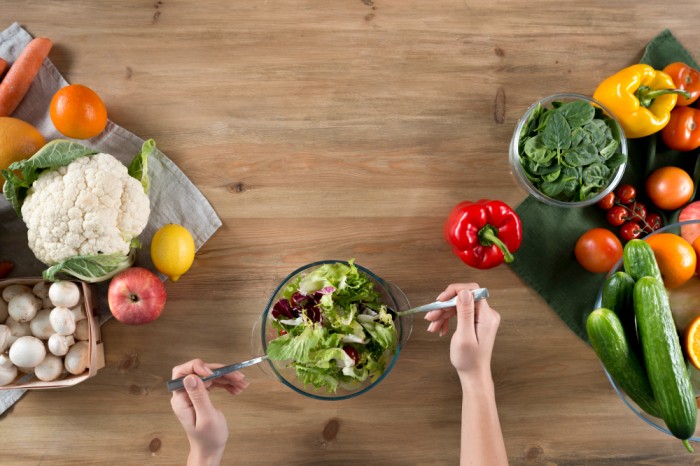
Adopting a Mediterranean-style diet is highly recommended. This diet emphasizes the consumption of fruits, vegetables, whole grains, healthy fats, lean proteins, legumes, nuts, seeds, yogurt, and fish, all of which are known to reduce inflammation and enhance thyroid health. However, those with hypothyroidism should be cautious about excessive intake of raw cruciferous vegetables like broccoli, cauliflower, and cabbage, as they can disrupt thyroid hormone production when consumed in large quantities.
Iodine is vital for the production of thyroid hormones. It can be found in iodized salt, seafood, eggs, dairy products, and seaweed. While a deficiency in iodine can negatively impact thyroid health, too much iodine can also be detrimental, especially for individuals with autoimmune thyroid conditions. Therefore, iodine supplements should only be used under medical supervision.
Selenium is another essential element that guards the thyroid gland against oxidative stress and supports hormone production. Foods such as eggs, tuna, sardines, legumes, oatmeal, and Brazil nuts are rich in selenium. However, it’s important to consume selenium in moderation to avoid potential health issues. Adequate zinc intake is also critical for thyroid hormone function, with foods like pumpkin seeds, lentils, nuts, oysters, and legumes being good sources. Excess zinc supplementation should only occur under medical advice.
Additionally, ensuring sufficient levels of vitamin D, vitamin B12, iron, and magnesium is important for thyroid function. Foods like fatty fish, eggs, dairy products, leafy greens, nuts, seeds, legumes, whole grains, spinach, chickpeas, and fortified cereals can help prevent deficiencies. Pairing iron-rich foods with vitamin C-rich sources, such as citrus fruits, may enhance iron absorption. Health experts also recommend minimizing ultra-processed foods, managing stress, engaging in regular physical activity, maintaining proper sleep, and having routine health check-ups to support long-term thyroid health.